


Seven Generations Education Institute (SGEI) hosted its annual two-day Fall Harvest celebration last week. In a grassy field filled with the smell of fresh bannock and the rhythm of the drum circle, history and civics classes of district schools learned treaty rights and practices through cultural demonstrations.
According to SGEI educator Robert Horton, who helped coordinate the event, the Fall Harvest experience at SGEI is aimed at teaching about Treaty #3, the rights of the people in its territory and how these rights are utilized.
“What we call it is Dagwaagani-mawindoosijigewi,” Horton said. “In more traditional times, our families would have been doing this around this time of year. For many generations, our families here and elsewhere would start preparing for the winter.”
“This event holds three purposes. First and foremost is to educate about our treaty, Manidoo Mazina’igan, No. 3. Not just to know about the treaty, but to put those protected rights into practice.”
To highlight putting those protected treaty rights into action, stations gave a detailed look at how plants and animals are processed after being hunted and harvested.
For example, demonstrators showed how a deer is skinned and butchered to be prepared for human use and consumption, with each of the animal’s parts being put towards a particular purpose, as well as displays of wild rice dancing, teaching the physical labour of separating grains from husks.
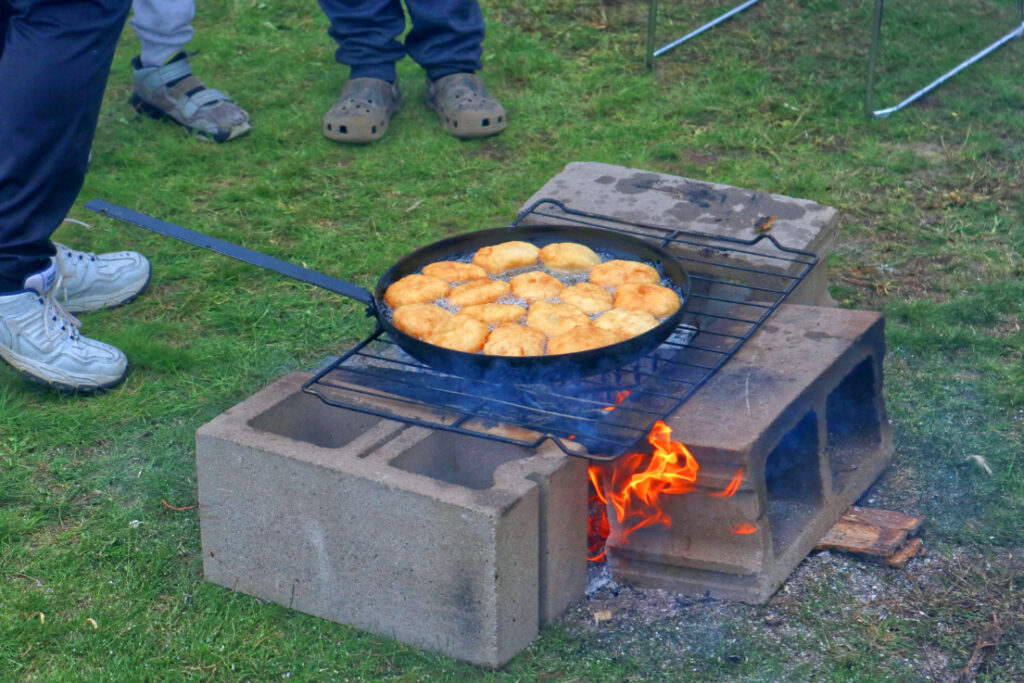
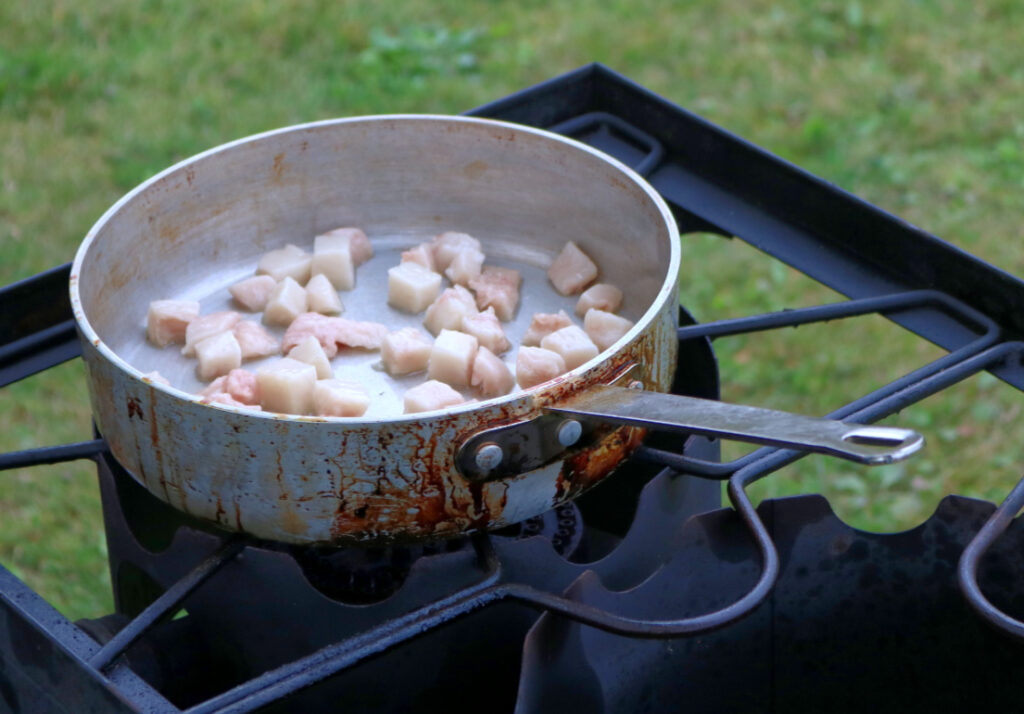
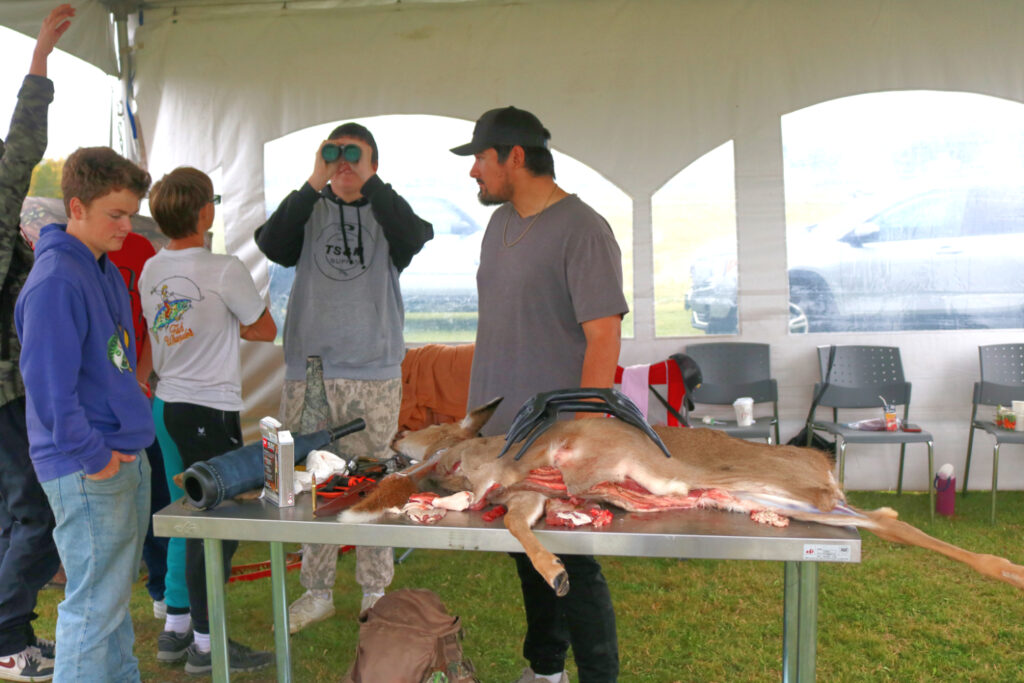
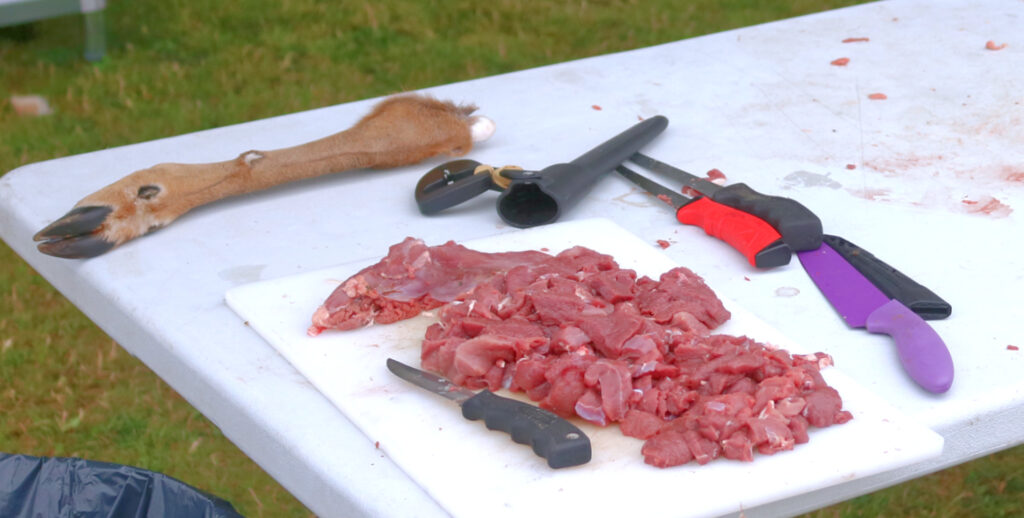
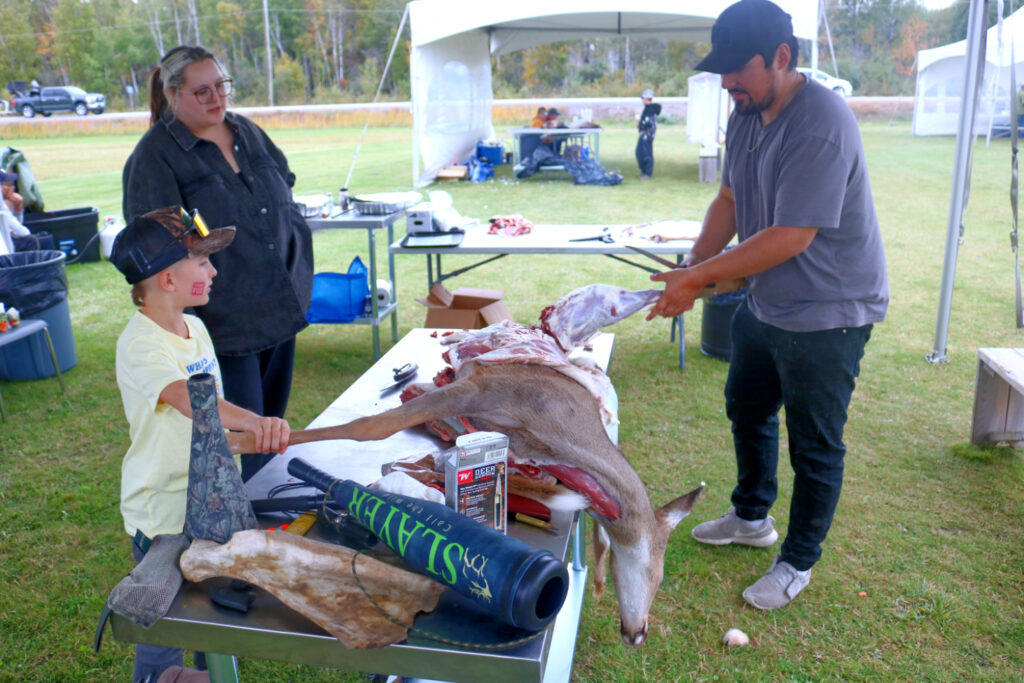
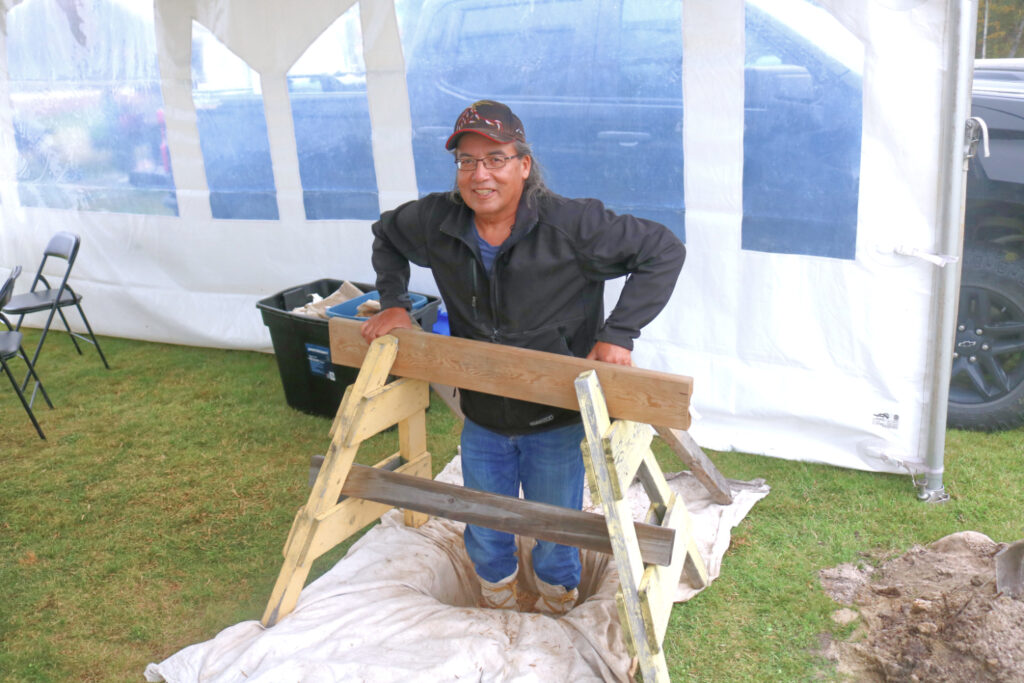
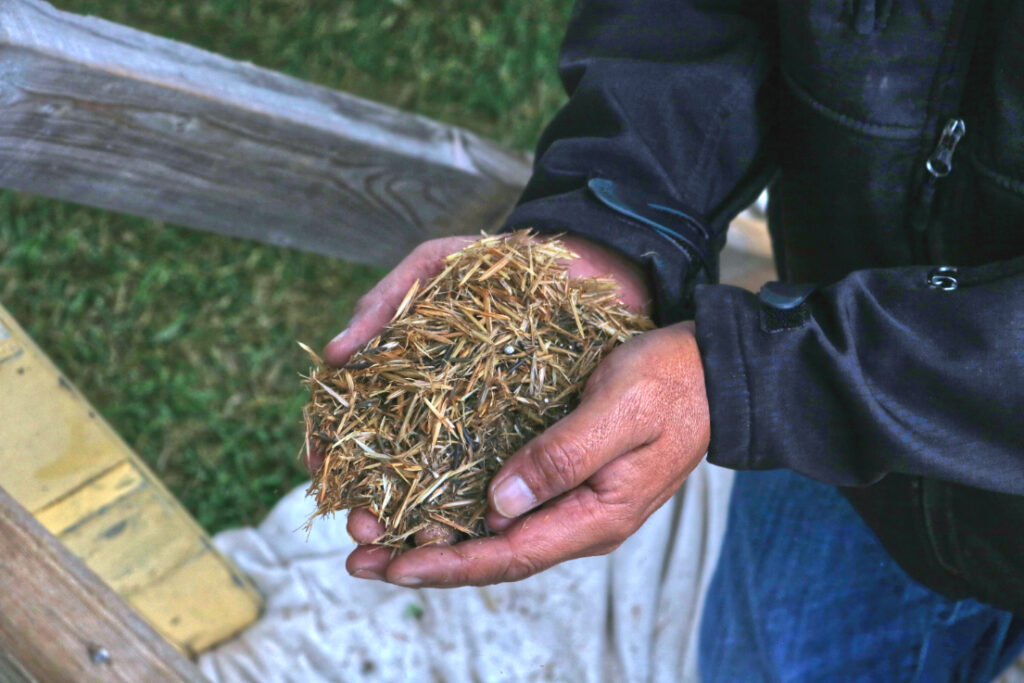
“If you look at all the stations out there, there are animals that were harvested,” Horton said. “This is the protected treaty right to harvest and hunt. There’re fish; that’s another one. There’s also a lot of wild rice out there; that’s for the wild plants protected by treaty right.”
This blends into the next teaching purpose of the harvest event, which Horton said is self-sufficiency.
“With winter coming, some of our families still engage in harvesting and preparing not only meats and wild rice, but also medicines for the season, because a lot of it is going to be fairly inaccessible.”
Giving a more detailed look at how plants and herbs from the land can be used, a medicine station taught student visitors how these parts of the harvest can be processed to create natural remedies for common ailments.
Lastly, Horton said the event highlights the sovereign rights of the Anishinaabe and Ojibwe maintained in the treaty.
“Food sovereignty is ensuring that we continue to have access, not to use the land, but to work with it,” he said. “As opposed to viewing it as utilizing something that belongs to us, we see the land, the animals, the trees and the wild plants as a sort of relative to work with so that a sustainable balance is maintained.”
The event’s turnout saw attendance from 13 classes from seven different elementary and high schools from across the district, along with participation from staff and volunteers of SGEI.
“Our staff and our team pulled together and planned this just beautifully,” Horton said. “Two students of mine are presenting accurate treaty understanding because there can be a lot of misinformation from both sides of the relationship. This really relights that flame of an accurate understanding of the treaty relationship in our area.”





