


Over the last few years, several southern Treaty #3 First Nations have received flood claim settlements dating back to the damming of Rainy River, which raised water levels on Rainy Lake, covering First Nations’ lands in water.
These settlements, agreed to by the governments of Canada and Ontario, are just a small part of what the people who are connected to these reserves feel they should be afforded, given other harms done by colonial governments.
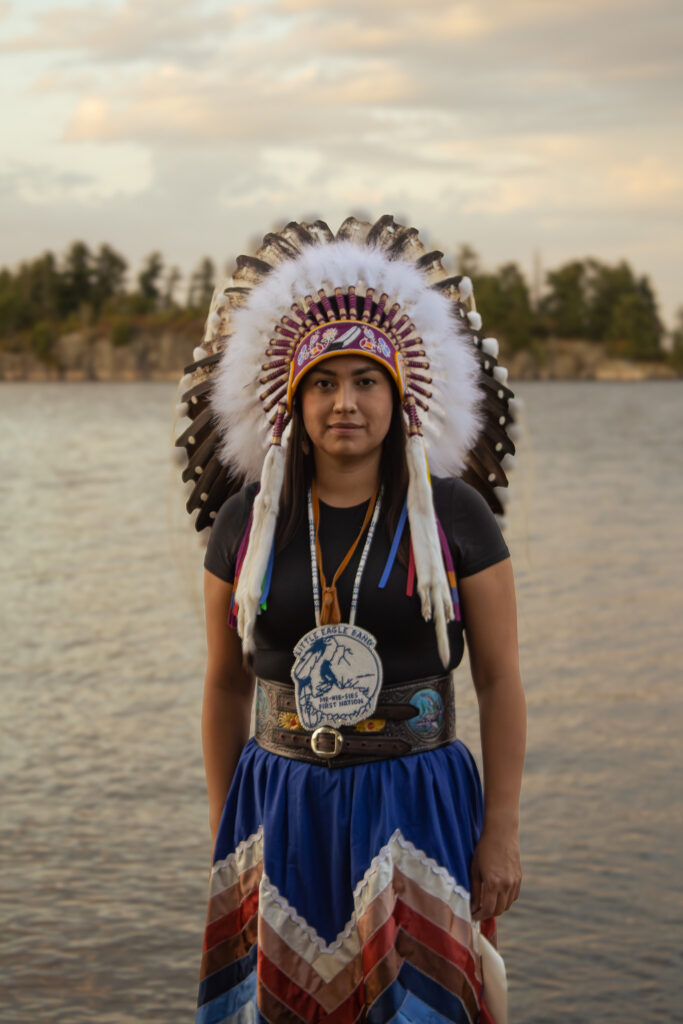
But they shouldn’t be seen as bringing the issue of reconciliation to a conclusion, rather as part of a living process, says Cheyenne Vandermeer, Gaakinawtaagizod (deputy grand chief) for Grand Council Treaty #3.
“Reconciliation is not a destination; it’s something that’s active and ongoing,” says Vandermeer, a member of Couchiching First Nation, which celebrated the signing of its bundled claim settlement last week.
“It’s an ongoing process of restoration; the settlements for the land and the flood claims, they’re necessary steps, but they’re the beginning of addressing the systemic harms that were caused.”
The story of the flood claims began with the construction of the hydro dam at Fort Frances–International Falls in the early 1900s, which permanently altered Rainy Lake and the Rainy River system, raising water levels by more than four metres and flooding large areas of Treaty #3 territory.
Entire shorelines disappeared under water, submerging wild rice beds, portage routes, burial sites, gardens and forested areas central to Anishinaabe life. For communities such as Couchiching, Naicatchewenin, Nigigoonsiminikaaning, Seine River and Mitaanjigamiing, the flooding became an ongoing reality. Annual water‑level manipulation for hydro generation continued to erode banks, damage homes and roads and disrupt traditional harvesting for decades.
Because the dam was built and operated without protecting reserve lands or compensating the people affected, Treaty #3 First Nations began filing specific claims arguing that Canada and Ontario had breached their obligations.
After years of negotiation, several communities have now reached major settlements, including multimillion‑dollar agreements acknowledging both the historical damage and the continuing impacts of water regulation on Rainy Lake and the Rainy River.
Looking to the future, Vandermeer says the concept of reconciliation needs to have such concrete action attached to it, not simply when dealing with individual issues such as legal claims but in a broader, more universal context.
“Moving forward, reconciliation, I would say, has to mean moving beyond apology and into actions. It requires commitment to the inherent jurisdiction of our communities in Treaty #3, of our leadership in Treaty #3, which is often about the protection of our lands and waters and the revitalization of our Anishinaabe ways of life, like in our communities, the way our grandparents grew up.”
Vandermeer said that people often see reconciliation as steps that need to be followed, but the ongoing process is more than that for her.
“Too often, I would say, reconciliation is looked at almost as a checklist of tasks, and so rather than looking at it as that, consider the humanity of our people that they’re interacting with,” she said.
“Educating yourselves on the true history of the land that you’re on, the territory that we all live in, including the history of residential schools and the damages that it’s done to our communities, to our families, and the ongoing impact that those systems still have on our families today.”
When interacting with Indigenous neighbours, a bit of humility can go a long way.
“Reconciliation requires being willing to be uncomfortable because there are a lot of hard things to hear,” she said.
“I’d say admitting when you don’t know something, or admitting when you might be wrong, and being willing to listen. We have all our different organizations, like our schools, that we send our kids to, so supporting them in Indigenous-led initiatives without trying to control the outcome of them. It starts with building relationships with our people and those who advocate, based on trust, respect and a genuine desire to learn about our families and our communities and the history in our area.”
One step that many organizations take towards reconciliation is a land acknowledgement; Vandermeer said that there needs to be meaning behind the acknowledgements.
“They should be creating safe spaces for our people,” she said. “Not just acknowledging that we’re in Treaty #3 but acknowledging the [First Nations] communities that surround the various towns because each town in Treaty #3 is surrounded by communities, and a lot of the economic prosperity in the towns is because of our communities. Acknowledging the partnership that needs to be there in the work that we do.”





