



DID YOU KNOW?
Canada is facing a critical and escalating shortage of firefighters. The number of volunteer firefighters, which stood at over 126,000 in 2016, has plummeted by more than 38,600 as of 2024. This significant decline leaves numerous communities across our vast country dangerously understaffed, jeopardizing their ability to effectively respond to emergencies.
STAFFING SHORTAGE WIDELY DOCUMENTED
Canada’s firefighter staffing shortage has been well-publicized across all media platforms and has been highlighted in four major reports over the past four years, including the recently released: “Results of the Great Canadian Fire Census 2024.”
Fire Services across Canada have been consistently facing several key challenges, including:
- budget limitations and obstacles;
- recruiting and retaining personnel;
- training personnel to certification standards;
- aging and lack of adequate apparatus, equipment and materials;
- aging and condition of fire halls/stations—with their inadequate size and lacking modern design features and layouts—are failing to effectively protect firefighters and visitors from cancer risks, revealing a critical health and safety failure;
- providing the level of service outlined in their communities by-law, which Establishes and Regulates their Fire Department; and
- increased call volume—the largest percentage of calls is still in the emergency medical category.
THE HEART’S TREASURES: FAMILY & TIME
Today’s working families face significant constraints, making it impossible for many people to serve in any type of volunteer capacity, let alone as a Volunteer Firefighter. Another key factor as to why people do not join a fire service is that it is an on-demand service. The demanding and unpredictable schedule, including on-call duties—coupled with rigorous training and time taken away from family—significantly deters potential recruits.
DEMONSTRABLE HEALTH RISKS
Firefighters face a higher risk of developing cancer, stemming from prolonged exposure to toxic chemicals and smoke throughout their time as a firefighter. This serious and demonstrable health risk—as indicated by established cancer rates—serves as a deterrent for many prospective firefighters.
FIRE SERVICE BUDGET CHALLENGES
Driven by a commitment to community safety, numerous FIRE CHIEFS across Canada have challenged existing budget structures, and have recommended amending the levels of service in their community’s establishing and regulating by-law … due to staffing shortages, moreso the shortage of adequately trained staff. Furthermore, fire chiefs have been met with substantial resistance and obstacles in their efforts to secure necessary funding for their community’s fire service.
Additionally, peoples’ perception—especially among newcomers to communities—can be misled by relatively stable annual fire service operating and capital budgets, leading them to incorrectly believe the fire chief was only looking to maintain the status quo, and was not aggressively advocating for increasing the operating and capital budgets. Often, fire service budgets are significantly reduced without the input or consultation of the fire chief prior to going to council for review and approval. Non-emergency response employees, such as other department managers and administrative leads have made budget cuts to the fire service operating and capital budgets without clear justification. Such decisions—driven solely by fiscal constraints—can severely compromise firefighter and public safety.
LEVEL OF SERVICE
In Ontario, the municipal council is responsible for setting or amending the levels of service in the establishing and regulating by-law—in consultation with the fire chief—and should keep in mind the following considerations:
- the current needs and circumstances of the municipality;
- training requirements based on current standards and practices;
- acquisition and maintenance of appropriate equipment; and
- the necessary funding to achieve and maintain the levels of service.
WHAT ARE YOUR COMMUNITY’S FIRE SERVICE RESPONSE CAPABILITIES?
Misrepresenting a fire service’s response capability creates a dangerous illusion of preparedness. This deception jeopardizes the safety of firefighters, municipal councils, and the public by fostering a false sense of security regarding the fire service’s ability to handle diverse emergencies, including responding to various types of structures and occupancies, and to other types of emergencies within the community.
CHRONIC ABSENTEEISM
Many fire services across Canada continue to have members still on their roster, who are chronically absent from training sessions and emergency response calls. Chronic absenteeism of a fire service member is dangerously impactful to firefighters and the community; it places an undue strain on active firefighters and significantly increases the risk to both firefighters and public safety.
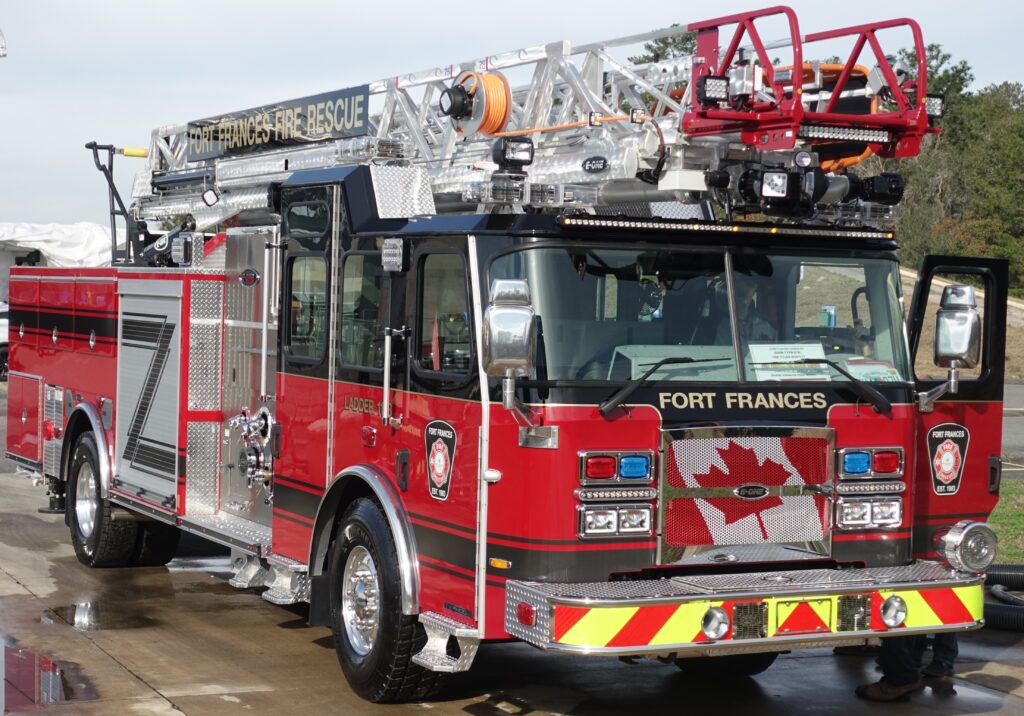
CANADA’S FIRE SERVICE: THE ROAD AHEAD
Consistent data reveals a troubling trend; the future of the Canadian Fire Service—particularly the volunteer sector—is in serious jeopardy with recruitment and retention shortfalls creating a deepening crisis.
Solutions are urgently needed.




