


For many, there are moments when the mind feels like a butterfly trapped in a hurricane. Fragile wings caught in roaring winds. Fighting to stay aloft against a storm that never seems to end. From an outside vantage point, the struggle can look invisible. Even gentle. The butterfly flutters. It does not scream. But inside, there is chaos. Gusts of anxiety. Spirals of despair. Sudden downdrafts of self-doubt and overthinking. This is what mental health challenges often feel like – beauty and fragility in a violent storm. Unseen, but deeply real.
Many parts of our society are still learning to see the storm for what it is. Too often, mental health is minimized. Often, it is treated as a failure of will, a lack of gratitude, lacking grit, a temporary storm cloud that should pass soon. Often, people are told to “think positive” or “snap out of it”, as if these words could slow the rotating tempest while quickly stilling the hurricane. A complex, internal battle is often reduced to a matter of choice. The butterflies are often told if they flap their wings harder, the wind would stop.
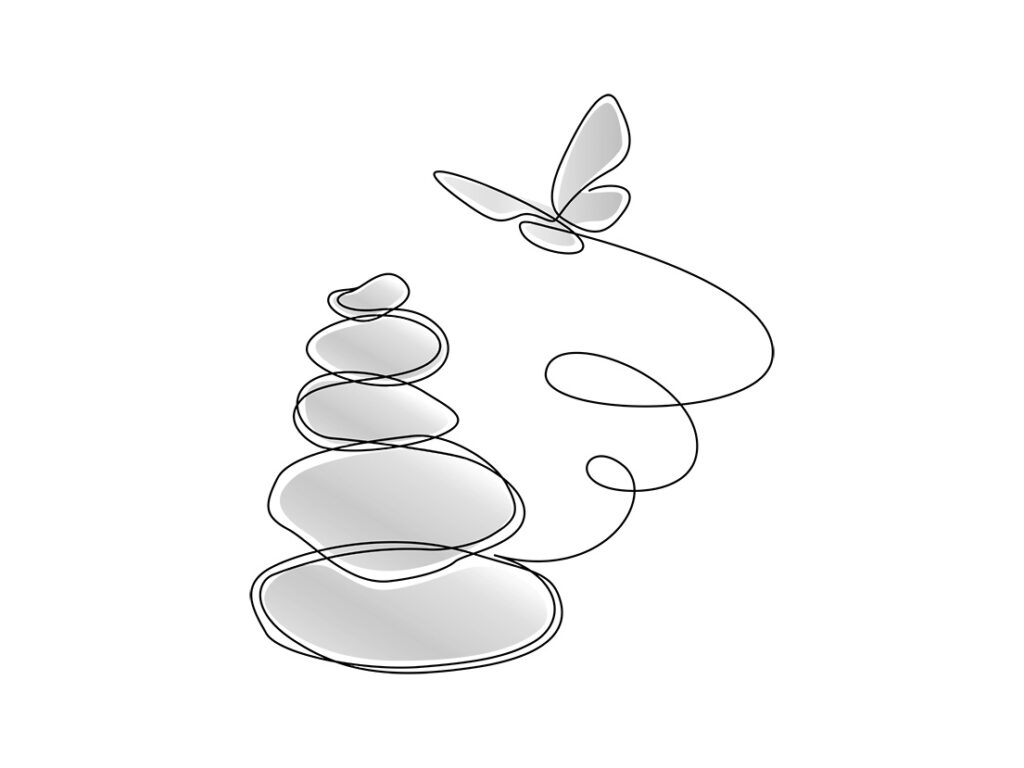
beauty and fragility in a violent storm. – Getty Images / Olga Ubirailo photo
Too often, what’s missing is simple – but profound. Compassion.
True compassion is not pity. It is presence.
It’s standing beside someone in the storm without demanding they fly faster.
It’s saying, “I see how strong you are just for staying in the air.”
It’s understanding that pain is not weakness and that healing is rarely linear.
Compassion doesn’t fix. It listens.
It doesn’t offer solutions before understanding the story.
It’s not a hand that drags someone out of the storm, but rather one that reaches into it and says “You are not alone.”
Empathy is what transforms that compassion into action.
It’s the bridge between knowing that someone suffers and feeling (even faintly) the tremor of their wings.
Empathy asks us to imagine what it is like to live inside that hurricane – to wake up each morning unsure whether the wind will be gentle or wild.
It demands humility – the understanding that even if we have never been in the storms ourselves, we can still respect its power.
The danger of minimizing the storm lies in its comfort. It’s easier to say “it’s not that bad” than to face the truth that mental health challenges can be devastating. It’s easier to believe that storms pass quickly than to accept that some live under the dark, rotating skies for years. Minimizing the storm protects the observer from discomfort, new ways to see, and difficult understandings when beliefs are long entrenched – but this also isolates the butterfly fighting to stay afloat. It makes those that face the storm retreat into silence, ashamed that their pain doesn’t fit easily into society’s categories of what could be (or should be) easily manageable.
Yet, even hurricanes end. And even in their fury, there are moments of stillness. Small calms between sudden gusts and gales. The butterfly endures not by overpowering the storm, but by skillfully adapting to it. By finding brief pockets of quiet in which to rest.
In this sense, hope is not a destination, but rather a rhythm. The living breath between chaos and calm. It’s the brave knowledge that storms shift and that the same winds which threaten to tear us apart can also sometimes carry us forward.
When storms of the mind go unseen or untreated, often quieter forms of escape are reached for and addiction frequently grows in the shadow of untreated depression, anxiety, or PTSD. This is not a moral failure or character flaw, but an attempt to find calm and refuge from the storm. Like a compounding feedback loop, substance and behavioural addictions can numb pain temporarily. However, they intensify isolation, erode self-worth, and feed the very storm they seek to silence. Research demonstrates that individuals with chronic mental health challenges face a significantly higher risk of substance dependence, physical illness, unemployment, social disconnection, and most unfortunately, a possible grieving family. Together, these crosswinds weave a cycle of storms that also reduces quality of life. This venomous recipe has fuelled one of the quietest public health crises of our time.
Depression and addiction are not separate storms – they often share the same headwind.
Flight-plans forward and upward are promising if we are open to learn the safe harbours in the tempest. Science echoes what compassion already calls to us across time and place: empathy, social connection, and early intervention are among the strongest predictors of recovery. Those who feel understood and unconditionally supported are more likely to seek help, adhere to treatment, rebuild meaning, and reshape purpose in their lives.
Research-backed interventions are not abstract ideals, but rather tangible lifelines. They include (but are not limited to): intersecting strategies of psychotherapy, medication, peer support, and lifestyle interventions, community-based outreach (crisis lines, peer-led recovery networks), mindfulness and compassion-focused therapies, building understanding that taking the step to ask for help is not weakness but bravery, roads to foster identity and meaning, and (perhaps most crucial) public education and anti-stigma initiatives.
Compassion does not simply feel good. It changes brain chemistry, helping the butterfly steady its flight.
Why is this crucial to understand?
Because just as swelling, rushing currents can hide below still waters, mental health challenges often rest beneath calm surfaces.
Depression, anxiety, and complex-PTSD can live quietly within those who appear the strongest, the most composed, the most relaxed, and the most successful.
Even within professors, educators, and writers.
Even within the person writing this to you tonight.
I write these words from personal experience.
You may never see the storm raging behind someone’s steady smile, unshakeable confidence, and lively eyes, especially if the butterfly knows the winds intimately.
The sudden gusts.
The exhausting effort just to stay airborne.
*
If you see yourself in these words (either as someone weathering the storm personally or who cares about someone who is), remember this:
The hurricanes may rage, but the butterfly still flies.
In that flight – delicate, trembling, miraculous, graceful, and beautiful – please carry a quiet hope and a reassurance that even in the fiercest storms, the human spirit can find its way through the wind.
You are not alone.
If you or a loved one are struggling with your mental health or thoughts of suicide, call the Suicide Crisis Helpline at 9-8-8, Talk Suicide Canada at 1-833-456-4566 (or text 45645 between 4:00 p.m. and midnight ET), Kids Help Phone at 1-800-668-6868 (or text CONNECT to 686868). If you or someone you know is in immediate danger please call 9-1-1.
– Robert Horton is an educator, author, orator, and linguist. He is a member of Rainy River First Nations.
Northern Reflections




