The Manitoba Wildlife Federation is renewing its call for a controversial highway checkstop near Bloodvein River First Nation to be moved onto reserve land, as a dispute over hunting access takes a new turn following allegations that a provincial minister offered economic development funding while seeking the checkpoint’s relocation.
Bloodvein Chief Lisa Young told the Winnipeg Free Press that Natural Resources and Indigenous Futures Minister Ian Bushie offered up to $250,000 for economic development during a private conversation in September, while also indicating the First Nation would receive a letter directing it to move the checkstop off a provincial highway.
Young said she felt she was being pressured and interpreted the offer as a bribe.
Bushie denied offering money in exchange for moving the checkpoint, saying the discussion concerned an application-based Indigenous economic development fund and was not connected to the dispute.
He confirmed telling Young he was “not bribing” her, but said the remark was made flippantly to lighten the mood.
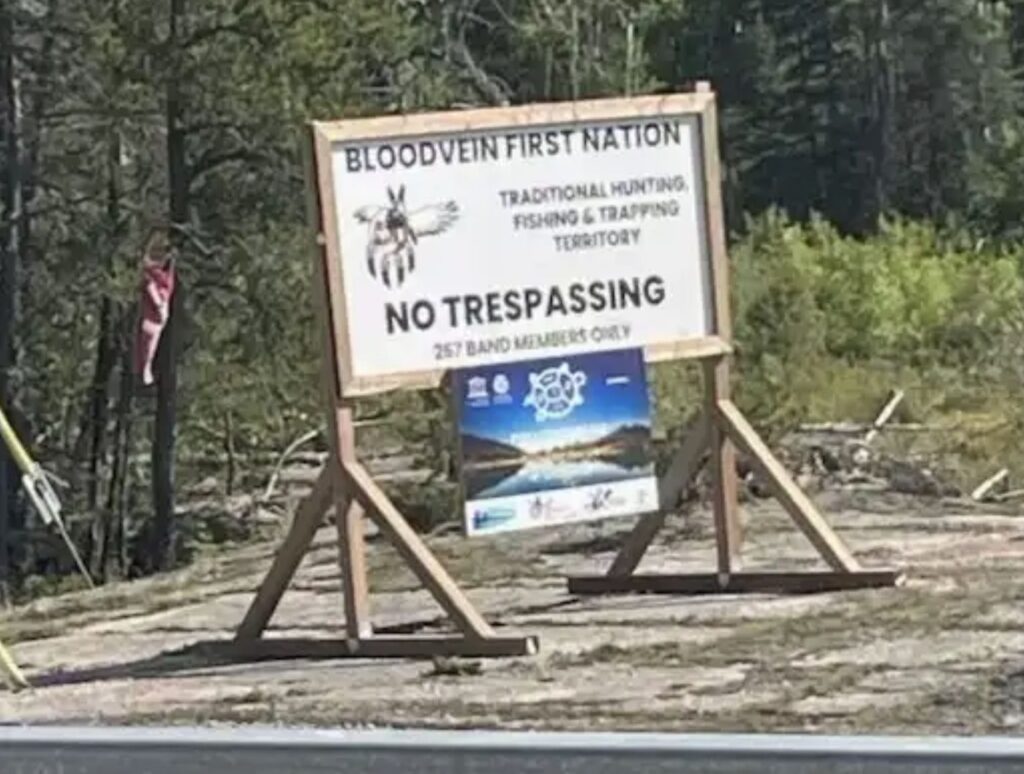
The allegations add another dimension to a dispute that has persisted since Bloodvein established the checkstop in May 2025 to prevent drugs and alcohol from entering the community.
The checkpoint was initially located on an access road near the First Nation, about 235 kilometres northeast of Winnipeg, before being moved south to Rice River Road, a provincial highway.
Bloodvein has also raised concerns about declining moose populations and has sought to restrict hunting in the area.
Chris Heald of the Manitoba Wildlife Federation said the organization remains frustrated by the ongoing situation, arguing that a workable compromise would allow the First Nation to address public safety concerns without restricting access to the provincial highway.
“If it was truly about drugs and alcohol, why not just put it on the reserve lands?” Heald said in an interview.
Heald said the federation and the provincial government made repeated attempts over the winter to arrange discussions with Bloodvein leadership but were unable to secure a meeting.
The federation also sent registered mail, he said, as it sought to find a solution to the dispute.
Heald said the federation supports efforts to prevent drugs and alcohol from entering the community but believes those measures should not prevent licensed hunters from accessing public lands.
The province has said it wants the checkstop relocated to reserve land and issued a cease-and-desist letter to Bloodvein in September.
Premier Wab Kinew has also urged the First Nation to reconsider turning hunters away, warning that the dispute could fuel resentment toward Indigenous people.
The Manitoba Wildlife Federation has reported receiving five accounts of hunters being turned away after the moose hunting season opened Sept. 21.
Heald said the federation is concerned that the dispute has expanded beyond public safety and wildlife conservation into a broader disagreement over who has authority to manage access to the area.
He said wildlife management in Manitoba should remain under provincial authority, with First Nations, hunters, outfitters and conservation organizations able to provide input.
“We can all have input, but it’s still gonna be managed by the government,” Heald said.
Heald also voiced support for Kinew’s position that Manitoba’s wildlife resources should be shared, saying hunters and First Nations should work together to ensure sustainable access to the province’s natural resources. He commended the premier for emphasizing that Manitobans should be able to share in those resources while addressing conservation concerns.
Heald said the federation recognizes the importance of concerns about moose populations but questioned the basis for restricting hunting access.
The federation’s position is that wildlife conservation concerns should be addressed through provincial management and collaboration rather than restrictions on a public highway.
Heald said the organization has also sought clarification from the RCMP about its role in the dispute.
He said previous correspondence indicated police were waiting for direction from the provincial government, while the province had already issued its cease-and-desist letter.
The federation’s most recent letter to Manitoba RCMP commander Scott McMurchy had not received a response at the time of Heald’s interview, he said.
Heald said the federation wants the provincial highway to remain open to law-abiding hunters and other members of the public.
He also said the organization has heard from two elders in the community who expressed concern about the dispute and how it is being handled.
According to Heald, the elders questioned whether the issue was receiving too much attention compared with other needs in the community and expressed a desire for greater collaboration.
Opposition to the checkpoint has also come from within Bloodvein First Nation. A petition calling for its immediate removal was signed by 119 First Nation members.
“We, Bloodvein First Nation members petition to remove the security check point and security personnel immediately,” the petition states.
It says Chief and Council did not inform or consult with members before establishing the checkpoint and calls for any related funding to be redirected to community programs.
Heald said elders have contacted the Manitoba Wildlife Federation to express concerns about how the dispute is unfolding, with some questioning whether the issue should take priority over other needs in the community.
Heald said he believes a resolution would help reduce tensions and prevent the dispute from damaging relationships between communities.