


Former CAO aims to improve council-administration relations while prioritizing core services
Before Doug Brown was chief administrative officer (CAO) for the Town of Fort Frances, he was the town’s Manager of Operations and Facilities for 13 years.
Brown hopes his administrative experience with the town will make him an asset on the other side of the council table.
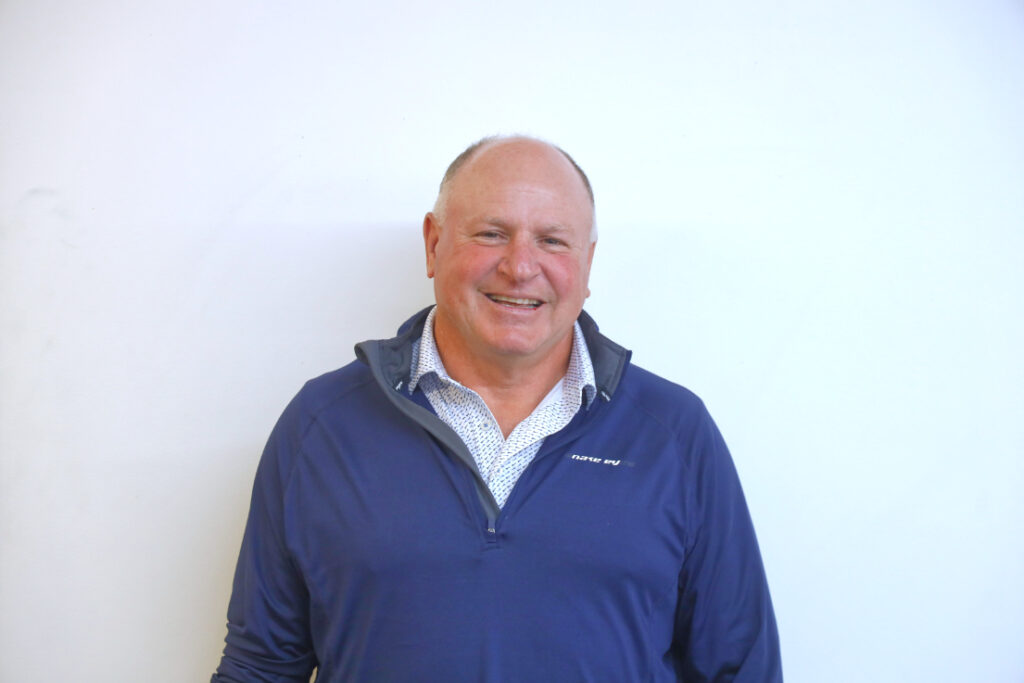
A civil engineer by education, Brown believes that one of the town’s priorities should be to maintain the assets it has before pursuing new services.
“[We should] provide everything that we’re doing right now. Don’t add. I don’t think we’re in a position to add new services,” Brown told The Times. “I think we maintain what we have. Focus a little bit on the sidewalks and residential streets. We’ve got old pipes that were put in after the Second World War that are coming to the end of their lives.”
While preservation of the town’s current commitments, priorities and infrastructure is an absolute must, Brown said he also believes the future of the town should be paramount when it does consider taking on new projects.
“We need to fix Fort Frances for its core services and core facilities: roads, water, sewers, sanitary sewers, firm sewer, sidewalks, curb and gutter,” Brown said. “Asset management says you have a limited amount of money. You’re going to put that money into a place that needs the most, the highest risk, to make sure that service is continuously provided. We owe it not only to this generation, but to the next generations to have a good water system. Before we build more, let’s make sure what we own is properly maintained.”
Brown would also like to work towards rebuilding the local economy, which has suffered since the closure of the mill. To do that, Brown stressed the need for the town to add taxable properties that can contribute to its coffers.
“If we build $100,000 worth of taxable assessment, we’d get $3,000. I don’t care where it comes from as long as it has grown, because people are fixing their houses. So assessment is added to the roll because 60 per cent of the operating budget is property taxes. When you get a building permit, that information goes to MPAC (Municipal Property Assessment Corporation).”
Brown has been disappointed to see slow development on the Shevlin Woodyard site since he left the town’s administration.
“They’ve had it in the capital budget since 2022, and we’re not ready,” he said. “A developer wants to put a $12-million multi-residential building there. It’s going to add $261,000 of taxes, and we deferred that. A one per cent increase in taxes is $135,000. We don’t keep focused on getting this asset shovel ready.”
Brown partially attributes the delay to the turnover the administration leadership has experienced in the years since his retirement, which have seen two interim CAOs and two full-time CAOs.
“Council needs good advice and good expertise,” he said.
He also sees the need for housing as a retired person who is getting ready to downsize from a family home.
“I’ve got a house, my two kids are gone,” he said. “I want to downsize. Where am I going? I want to stay in Fort; we’ve got wicked golf courses, I’m a golf nut.”
Brown would also like to ensure that things are done with an efficient use of tax dollars.
“Affordability and responsible taxes protect residents from unnecessary taxes,” Brown said. “Every dollar [spent] should be a deserved value.”
Part of developing budgets is ensuring that administration is doing its job, he said.
“They should look for efficiencies before increasing taxes—do their job. They have to balance the budget, so they should scrutinize what administration brings to them, and then they should focus on the main priorities.”





