


The RM of Morris is urging the Manitoba government to approve disaster financial assistance as crews race to clear hundreds of sites clogged with soil and debris after a mid-May windstorm and subsequent heavy rainfall.
The municipality declared a local state of emergency last week after powerful winds on May 14 and 15 caused widespread soil erosion, depositing field chaff, dirt and debris into ditches and culverts throughout the municipality.
About 200 affected locations, covering roughly 220 miles of municipal drainage infrastructure, have been identified so far.
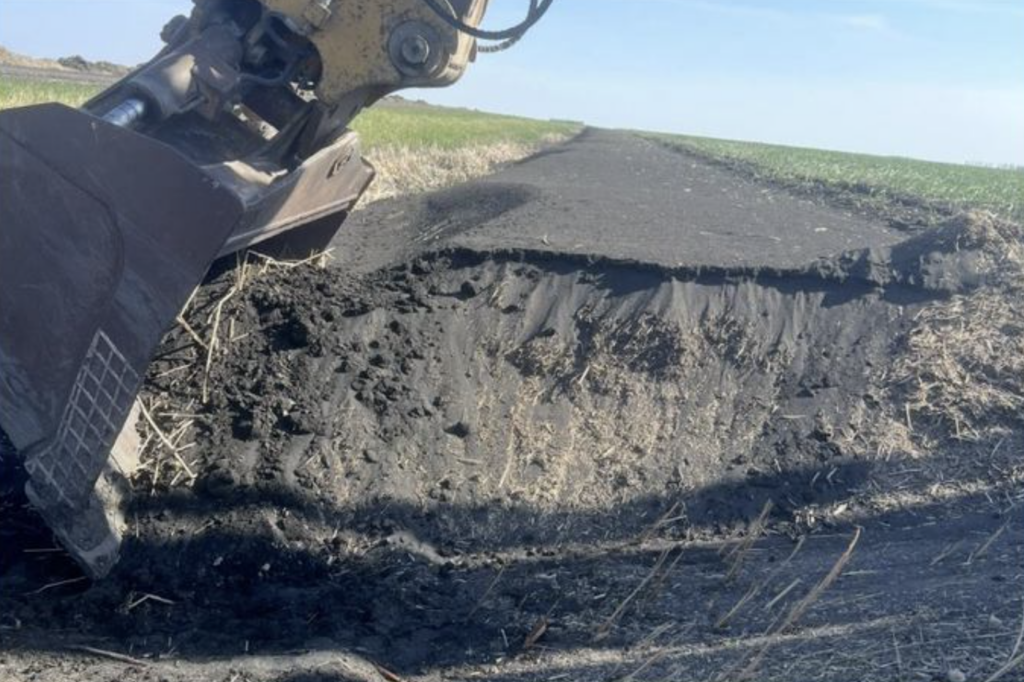
“We declared that state of local emergency so we can begin the process of trying to clean out the drift soil,” Reeve Scott Siemens said in an interview.
Municipal officials estimate recovery costs could reach between $1 million and $1.5 million and have applied for provincial Disaster Financial Assistance (DFA) funding. The application remains under review.
The municipality has deployed two excavators and hired three contractors to help remove soil from drainage ditches and clear blocked culverts, while also exploring options to bring in additional equipment.
“None of this has been budgeted for,” Siemens said. “This will have to come out of our operating budget or reserves.”
The recovery effort comes as the municipality continues to deal with the financial aftermath of the 2022 flood. According to municipal officials, more than $2 million in flood-related costs have yet to be reimbursed by the province.
Recent rainfall has added urgency to the cleanup effort.
Siemens said areas of the municipality received between 1.25 and more than three inches of rain during a storm Wednesday night, sending water into drainage systems that remain partially blocked by drift soil.
“Any drift soil that we haven’t been able to clean out, those ditches and fields have been impacted,” he said.
The blocked drainage channels have left some agricultural fields underwater, creating concerns about crop damage if water remains standing for an extended period.
“We have fields sitting in water and who knows how long that will take for that water to disappear,” Siemens said. “There’s real risk to the crops if we can’t get this cleaned out quickly.”
In addition to ditch clearing, crews are dealing with culverts packed with sediment. Some locations may require specialized vacuum trucks to remove debris without damaging infrastructure.
Municipal staff have also been reassigned from regular duties to support emergency operations, a move officials say could delay planned maintenance and other municipal projects.
“Time is of the essence,” Siemens said. “We are going as quick as we can right now.”
He said approval of disaster assistance would allow the municipality to accelerate the cleanup effort by hiring more contractors and equipment.
“My understanding is they are reviewing our application as well as our neighbouring municipality applications,” Siemens said. “I do not know of a timeline yet as to when we’ll get a response.”
For now, crews continue working through the growing list of affected sites as municipal leaders warn that delayed cleanup could increase risks to farmland, drainage infrastructure and local roads.




