

Choosing the right flooring for wet areas like bathrooms, kitchens, laundry rooms, and basements is essential to prevent water damage, ensure safety, and maintain durability. The best flooring options for wet areas are those that are water-resistant or waterproof, easy to clean, and capable of withstanding moisture without warping, buckling, or developing mold and mildew. Here are some top choices and why they are ideal for wet areas:
1. Porcelain or Ceramic Tile
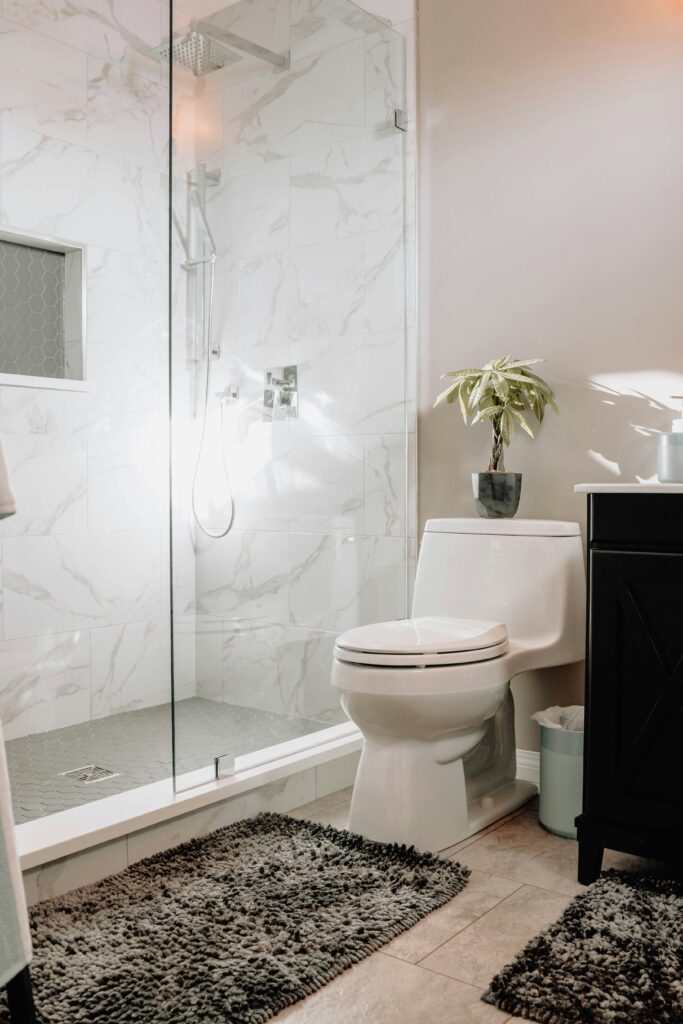
- Water Resistance: Porcelain and ceramic tiles are inherently water-resistant. When properly installed with grout and sealed, they create a waterproof barrier. Porcelain tile is often used in showers enclosures, due its superior water resistance, which comes from the extremely fine clay and high firing temperatures used to create it. Tile’s weak link is the grout. It must be installed with special consideration to the structure underneath it, to minimize shifting. Cracks in the grout can allow water to seep through to the subfloor. Thin, waterproof tile membranes can be used under tiles in wet areas, to preserve the subfloor.
- Durability: Tiles are highly durable and can withstand heavy foot traffic and moisture exposure without damage.
- Easy Maintenance: Tiles are easy to clean with regular sweeping and mopping. Grout should be sealed periodically to prevent moisture penetration.
2. Luxury Vinyl Flooring (LVF)
- Waterproof: Luxury vinyl flooring is available in waterproof varieties that can withstand spills and moisture. Not all LVF is created equal – if it’s being used in a wet area, choose one that’s specially designed for that purpose. Older style tongue and groove joins can allow water to seek through the joins. However, the lock-and-fold style of joinery provides a fairly tight seal.
- Versatility: LVF comes in various styles, including planks and tiles, mimicking the look of wood or stone.
- Comfort: LVF is softer underfoot compared to tile and doesn’t feel cold like ceramic or porcelain.
3. Sheet Vinyl Flooring
- Waterproof: Sheet vinyl is inherently water-resistant, and waterproof versions are available. When choosing sheet vinyl destined for a damp environment, its important to choose the right adhesive for the job.
- Seamless Installation: Fewer seams mean fewer opportunities for water to penetrate. A variety of installation styles exist, with some using adhesives, and others which float.
- Easy to Clean: Sheet vinyl is easy to clean and maintain, making it suitable for wet areas.
4. Natural Stone
- Water Resistance: Many natural stones like granite, slate, and limestone are naturally water-resistant.
- Luxurious Appearance: Natural stone lends a luxurious and timeless look to any space.
- Sealing Required: Proper sealing is essential to maintain water resistance and prevent stains.
5. Epoxy Flooring
- Waterproof: Epoxy coatings create a seamless, waterproof surface when applied over concrete. It’s a good option for garages, to give a polished look and a comfortable walking surface.
- Durable: Epoxy is resistant to stains, chemicals, and moisture.
- Customizable: Epoxy can be customized with colours and textures.
When selecting flooring for wet areas, consider your specific needs in terms of style, budget, and maintenance. Ensure proper installation and maintenance practices to maximize the longevity and performance of your chosen flooring material. Additionally, always check manufacturer recommendations and warranties to ensure suitability for wet areas and to maintain the integrity of your flooring investment.




