



The Government of Ontario is expanding its list of invasive species in an attempt to prevent, control and reduce their spread within the province.
In a press release dated Monday, December 11, 2023, the Ministry of Natural Resources and Forestry announced it was regulating 10 new non-native species and four groups of similar species under the Ontario Invasive Species Act (ISA) beginning January 1, 2024. The act is intended to control the possession, and reduce the spread of, different species not native to the province in order to keep them from threatening biodiversity in the ecosystem and prevent them from overtaking and outcompeting native species.
“Invasive species damage our ecosystems, impact our ability to enjoy outdoor activities and harm our economy by threatening the forestry and agriculture sectors,” said Graydon Smith, Ontario’s Minister of Natural Resources and Forestry.
“That’s why we are taking action to restrict these invasive species to protect Ontario’s economy and ecosystems.”
According to the government, Ontario has spent more than $5-million in 2023-24 to support ongoing research, monitoring and management of invasive species through programs and education throughout the province. Additionally, the Invasive Species Act provides legislative tools to prohibit and restrict certain invasive species found within the act, as well as carriers that facilitate the movement of invasive species throughout the province.
The act is split into two different categories for regulated species: Prohibited and Restricted. Prohibited species are illegal to import, possess, deposit, release, transport, propagate, buy, sell, lease or trade within the province. Restricted species are illegal to deposit or release within Ontario and cannot be brought into a provincial park or conservation reserve.
Prohibited species or groups being added to the Invasive Species Act for January 2024 include:
- Ide, also known as orfe (Fish – Leuciscus idus)
- Eastern Mosquitofish, also known as gambezi (Fish – Gambusia affinis)
- Western Mosquitofish (Fish – Gambusia holbrooki)
- Red shiner, or red-horse minnow (Fish – Cyprinella lutrensis)
- Oxygen weed (Aquatic plant – Lagarosiphon major)
- Nutria, or coypu (Mammal – Myocastor coypus)
- Genus Salvinia, or watermoss (Aquatic plants)
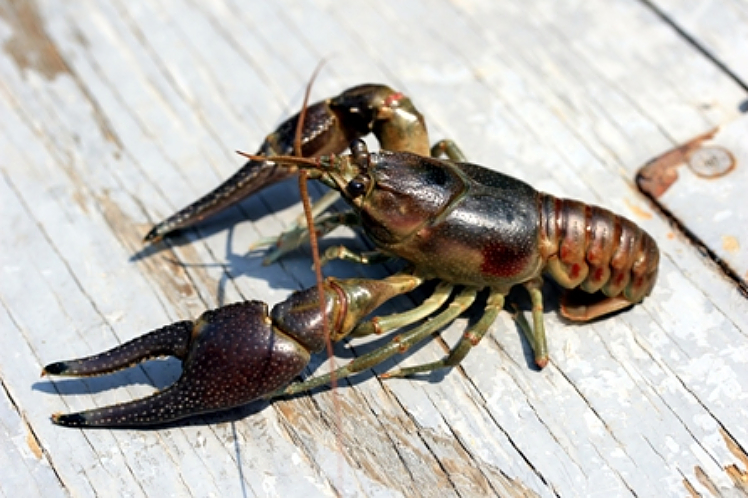
- Genus Procambarus and Genus Pacifastacus (Crayfish)
Restricted species being added to the act include:
- Eurasian or Spiked Water-milfoil (Aquatic plant – Myriophyllum spicatum)
- Floating Primrose-willow, or creeping water primrose (Aquatic plant – Ludwigia peploides)
- Flowering rush (Aquatic plant – Butomus umbellatus)
- Tree-of-heaven, also known as copal tree, varnish tree, stinking sumac, Chinese sumac or paradise tree (Terrestrial plant – Ailanthus altissima)
- Genus Azolla, also known as mosquito fern, duckweed fern, fair moss or water fern (Aquatic plant)
Those found to be in contravention of the Invasive Species Act can be faced with a fine of up to $250,000 and up to a year in jail for a first offence, with the fine increasing to up to $500,000 a second or any additional offence. Additionally, the fine can be multiplied by the number of animals, plants or other organisms outlined within the act found to be in possession at that time. The fine can also be increased to include any monetary benefit the individual may have acquired or accrued as a result of the commission of the offence, regardless of the maximum regular fine.
“Invasive species are one of the most significant threats to biodiversity and a major concern to Ontario’s natural ecosystems,” Kyle Borrowman, the Nature Conservancy of Canada’s Director of Habitat Restoration in Ontario, said in the release.
“The Nature Conservancy of Canada is pleased to see the designation of these additional species under the Invasive Species Act. Included in the list of newly designated species are several that are not known to currently exist in Canada but are a considerable risk to our natural ecosystems if introduced.”
Ontario has the highest number of invasive species in Canada, according to the Government’s press release. Once established, invasive species can harm the natural environment and are extremely difficult and costly to control or eradicate. A 2019 study conducted by the Invasive Species Centre based in Sault Ste. Marie, Ont., estimated that the potential impacts of invasive species to agricultural, fisheries, forestry, healthcare, tourism and recreation industries may be as high as $3.6-billion per year in Ontario.



